
Table of Contents
Many companies are looking for people for rice mills who have experience in turning paddy into rice. You guys should hire them. In this entire article, I will tell you in detail how rice is made from paddy so that you guys can also apply for it easily.
If you want to know in detail how to convert paddy to rice, then click on our website Todayalljobs24.
There are four processes for converting paddy into rice, which I will explain to you in great detail one by one.
- Clean Pedicures
- Stream Paddies
- Husking Process
- Processing Unit
Clean Pedicures Stream Paddies, Husking Process, Processing Unit – if you would like to learn more about this, please click on our website Todayalljobs24.
Clean Pedicures
What is paddy? Paddy is basically raw rice. This is the rice that comes straight from the farm to the factory. We can feel the moisture in it, and the laboratory approves it. That is, they get their paddy from a special type of crop and a limited formula. In this paddy, we have a lot of contamination, such as grass, soil, etc.
The first process is to clean this paddy. First, they cut and throw away the big sacks. The paddy is first cleaned, the contamination is removed, and then it is automatically shifted into steamers. The interesting thing is that the entire process is done automatically. When paddy goes in, the machines automatically shift it, and the paddy is cleaned. Then it is also given a steaming process. Why is the steaming process important? I will tell you further how high a level this whole paddy process is at; it is steamed.
If you want to learn how to clean your paddy and gain more detailed information, please click on our website Todayalljobs24.
Stream Paddies
So after cleaning the paddy, the second important process is steaming the paddy. After that, there are some mechanical machines. They not only steam the paddy and dry it, but also store it for a few hours or even for two or three days. Basically, these mechanical machines are used to achieve specific conditions. These are paddy steamers.
And interestingly, the entire process is done automatically. Paddy is put into the paddy input, cleaned, and then shifted to the steamers. It is steamed for three to four hours. So why is steaming important? There is a famous saying that the older the rice, the better its quality. Its flavor will be good. It will be so open.
So interestingly, the new paddy that is produced through this process is treated, and the rice that comes out of it after steaming will have the same flavor as the old one. It will be opened in the same way. Interestingly, first, automatically, it goes into the steamer; it is stored for three to four hours; then it is rested in the silos below for a few hours; then it is put into the skimmers again; the rice is steamed a little, and then a certain moisture level is maintained, so the rice, after a process of several hours, passes through the steamer, and then this rice is shifted.
There are dynamic machines inside the dryer machine in which this whole process is happening, and interestingly, this is all done automatically, with no human involvement. So this rice then goes into this dryer machine, and here it is dried for about 12 hours in hot air, and then a specific ratio is kept; when this ratio is reached, then this rice is shifted into these stock bins.
So inside these stock bins, this rice is kept for about 48 hours, 12 to 48 hours; there is a different time for this. This paddy is stored inside, and when the paddy is harvested as per their requirement, its moisture is removed; then this paddy is shifted for the husking process. The husk of the paddy is also removed in the husking process, and then the rice is extracted. Let me tell you how the husking process works.
How are paddy streams? If you want to know more about this, click on our website Todayalljobs24.
Husking Process
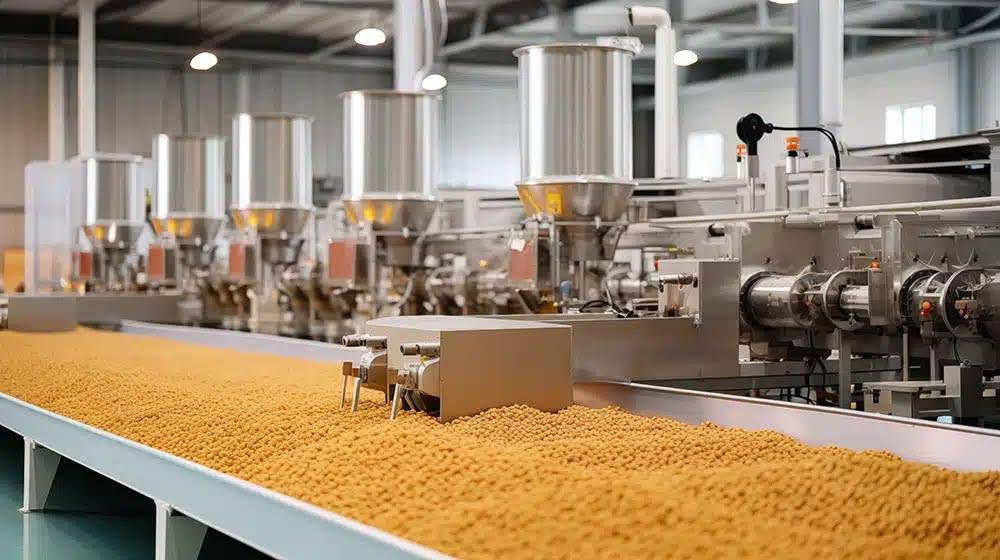
For the husking process, the husk of the paddy is removed, and then the rice is extracted. After the paddy process, the steamed paddy is shifted into the husker machine. The husking process, which is very important, has a husk on top of the paddy, and this husker machine removes this husk; the rice comes out, and then this rice is shifted forward. In different stages, first of all, in the paddy separator machine, it regularly separates the paddy and rice because some paddy remains that are not peeled; they are removed and separated, and the rice is shifted forward.
But after this quality process, another further quantity process takes place, and inside it there are grain machines in which the paddy, which is the husk, is separated, and this thing is used to shift the clean rice which is the rice and then the processing stage begins. So, what are the processes in the processing stage? I will tell you.
If you want to know more about the Husking process, click on our website Todayalljobs24.
Processing Unit
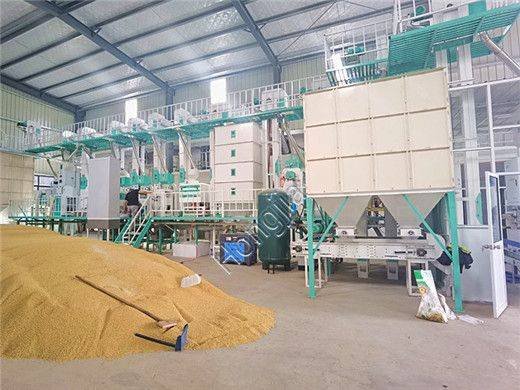
Rice is being produced in the processing unit of Rahim Rice Mill, and there is a very large barley plant, and the entire process is being done automatically inside this plant.
To learn more about the processing unit, click on our website Todayalljobs24.
Second Process
So, the process is the same in the second processing unit, which is rice from the husker, from which the paddy is separated, and the rice is first input into the machine. Inside this input machine, there is a de-stoner, which automatically removes contamination and separates the stones, and then the pipes are corrected, because the interesting thing is that all the things that are connected to you are automatically connected.
This whole process is done; then it is raised, first again in the de-stoner, so that this thing is cleaned, all the contamination is removed, the stones are removed, and then the clean rice is shifted to the reel machine. The reel machine once again removes the paddy. Any single paddy that is not allowed to remain in the rice, the husks, etc., are all removed, and then it is shifted from this well to the BTA machine. What happens in the BTA machine, which is brown rice, is that the brown layer is removed, and then the clean rice is shifted inside the water polisher machine, where this rice is polished.
A white color- you can say that a beautiful, polished piece, which is the rice grain, comes out, and only then, when we cook this rice, its aroma is also very good, and it opens up. Here, the process is not weighed. There are water-polishing sector machines in which this rice is shifted, and here there are three screens installed; just like in the past, they were used to filter with nets.
They filter in the same way, and what happens is that the rice is graded. The small, broken, round ones are separated, and in this way there are three different ones; that is, gradation, and after that this rice is shifted into the length machine, which separates the good rice, and then later this rice is shifted. All this runs automatically in the color sorting machine.
But experienced people keep an eye on the quality at every level, so the color sorting machine is the last goalkeeper, and what it does is sort the color of the rice. If any rice is brown or has become dirty, the rice is separated. The clean rice is sent to a stockpile, from where it is then packed, and after packing, the rice is stored in their big warehouses, and interestingly, 20 to 25 different brands of rice are being exported all over the world.
All of them are stacked, and then from here, after packaging, the rice is shifted into big containers, and the free-end containers that are there not only supply this rice in Pakistan but also export it.
If you want to go into more detail about converting paddy into rice, click on our website Todayalljobs24.
https://rice-processing.com/rice-processing-steps-from-pre-planting-to-post
https://starlightmachinery.com/blogs/news-and-events/rice-milling-process-complete-guide